

Challenge & Change-Behavior Opportunity
When CAN Community Health, an organization operating 30 clinics across Florida and South Carolina, asked me to drive new patients through their doors, they weren’t merely seeking another advertising campaign. They needed to dismantle the stigma and misconceptions surrounding HIV/AIDS and Hepatitis C testing, and position CAN as the compassionate, go-to resource for prevention, treatment, and education. Having spearheaded FDOH’s statewide “Know Your HIV Status / I Live Fully” movement, I recognized that genuine change stems from human-centered insights, not fear-mongering tactics. My mission was to create compelling content that inspires action by presenting testing as a moment of empowerment, not embarrassment.
To achieve this, I initiated in-depth persona workshops with both current and potential patients. These workshops allowed us to delve into their emotional barriers, logistical concerns, and the language that resonates with them. Based on this understanding, we developed a warm, uplifting visual system and copy framework that reframes testing as a means of taking control of one’s life and safeguarding loved ones. Every headline, color choice, and call-to-action was meticulously crafted to convey trust, eliminate judgment, and encourage behavior change. By transforming what was once perceived as a confession into an act of self-care and community strength, we aimed to create a more positive and supportive environment for individuals seeking testing.


Behavior-First Strategy & Creative Direction
I kicked off the project with a series of hands-on workshops. We brought CAN’s leadership, clinic staff, and real patients into the room. Together, we mapped every step of the testing journey, from the first moment of anxiety to the clinic door. We listened. The barriers came through loud and clear: fear of judgment, confusion around confidentiality, long wait times, and simply not knowing where to go. By naming them, we turned them into creative fuel. The goal wasn’t just to inform. It was to reframe testing as a confident, life-affirming choice.
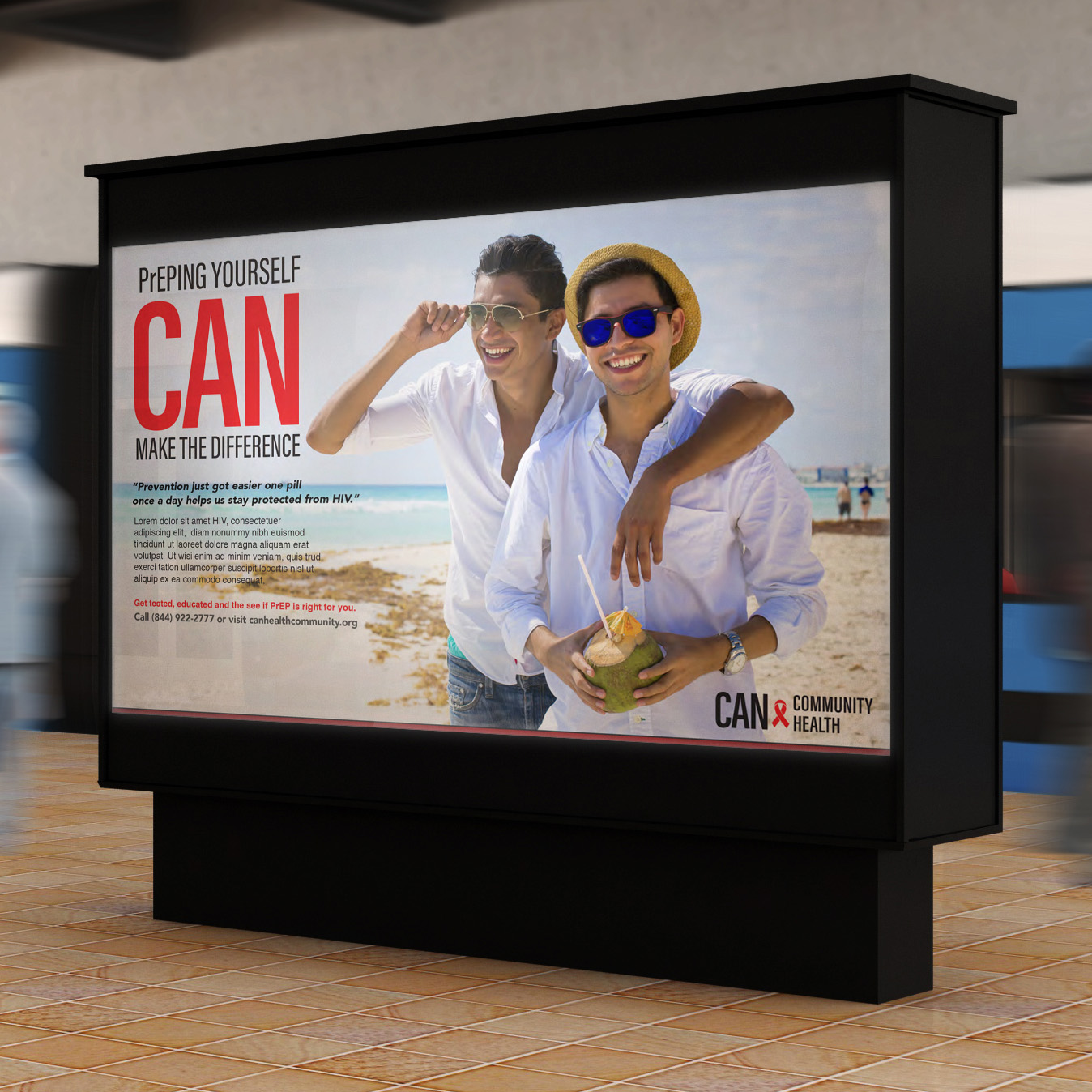
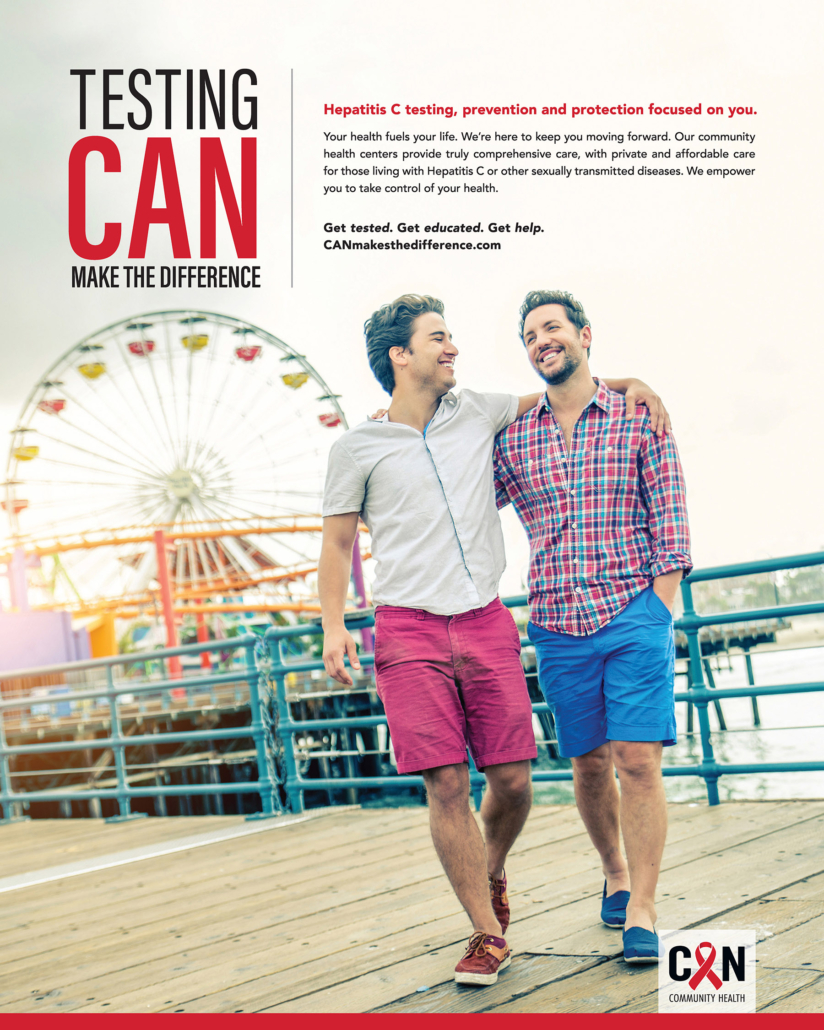
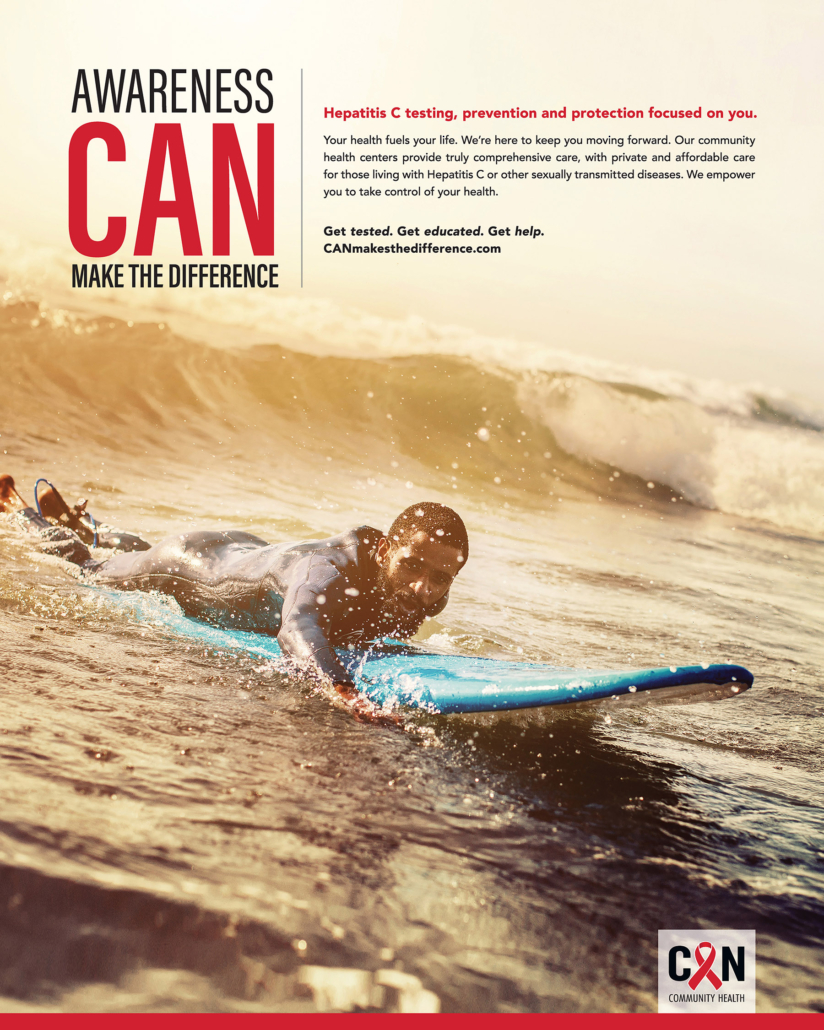
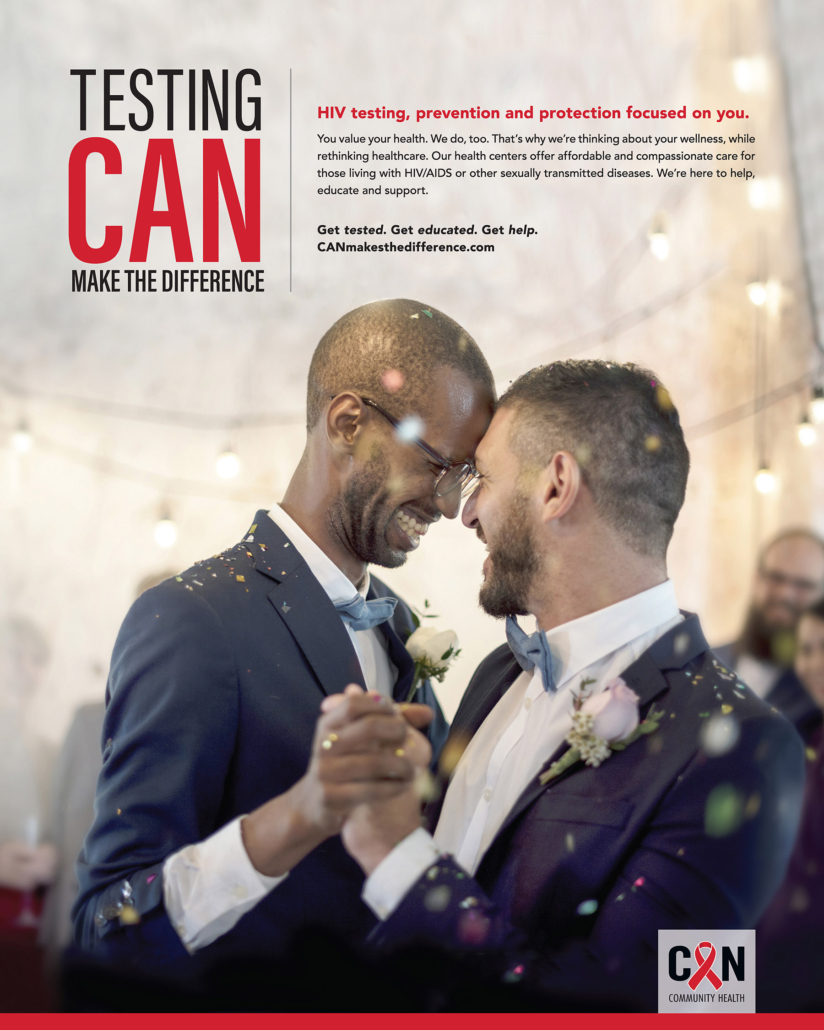
With that insight, I shaped the strategy into two campaigns. The first, “Get Tested,” cast a wide net and used everyday language to normalize routine screening. The second, “PrEP Protects,” focused on higher-risk audiences, positioning PrEP as a tool for control and peace of mind. Both campaigns followed a behavior-first approach. Clean, direct calls to action like “Take control of your health,” “Protect the ones you love,” and “Knowledge is power.” We pushed the message across digital, print, and in-person touchpoints to move people from awareness to action, one step at a time.
To make it feel human and credible, I built a visual system around warm blues that signal calm and trust. Brighter accent colors sparked curiosity. Rounded sans-serif headlines kept the tone friendly. Clean layouts, open space, and real faces reinforced care and compassion. Whether someone saw the campaign on their phone, a billboard, or a clinic wall, the message stayed clear. CAN Community Health isn’t just a provider. It’s a partner in your health journey.
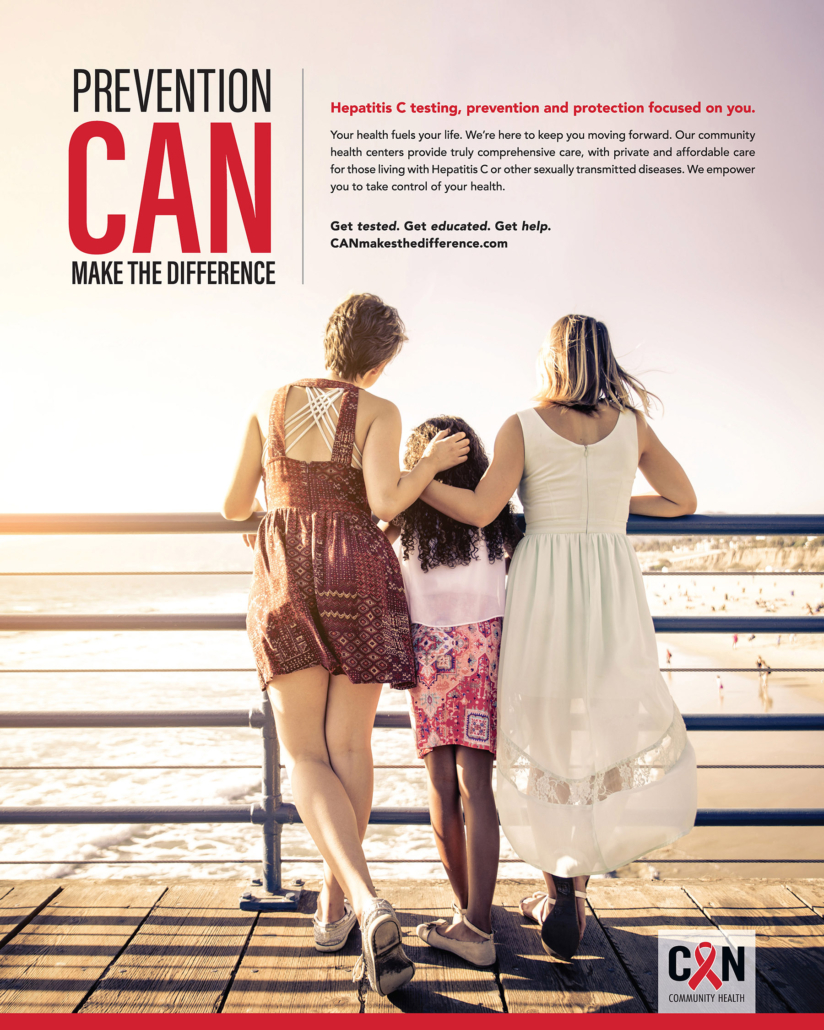
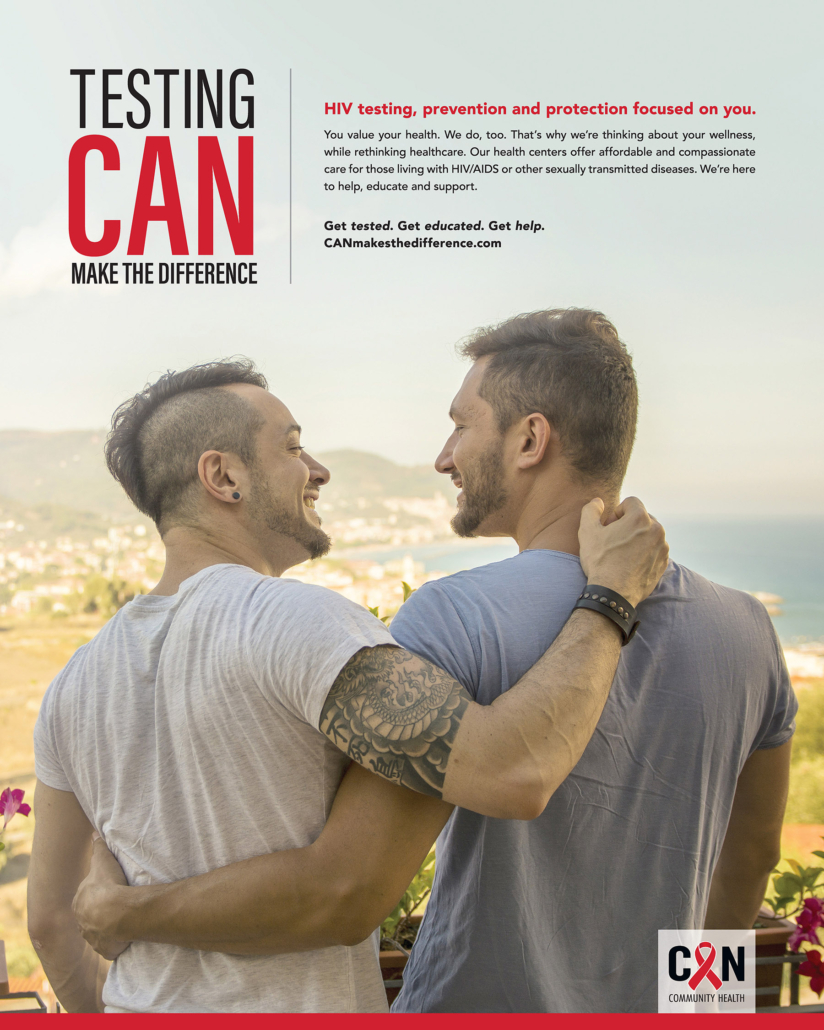
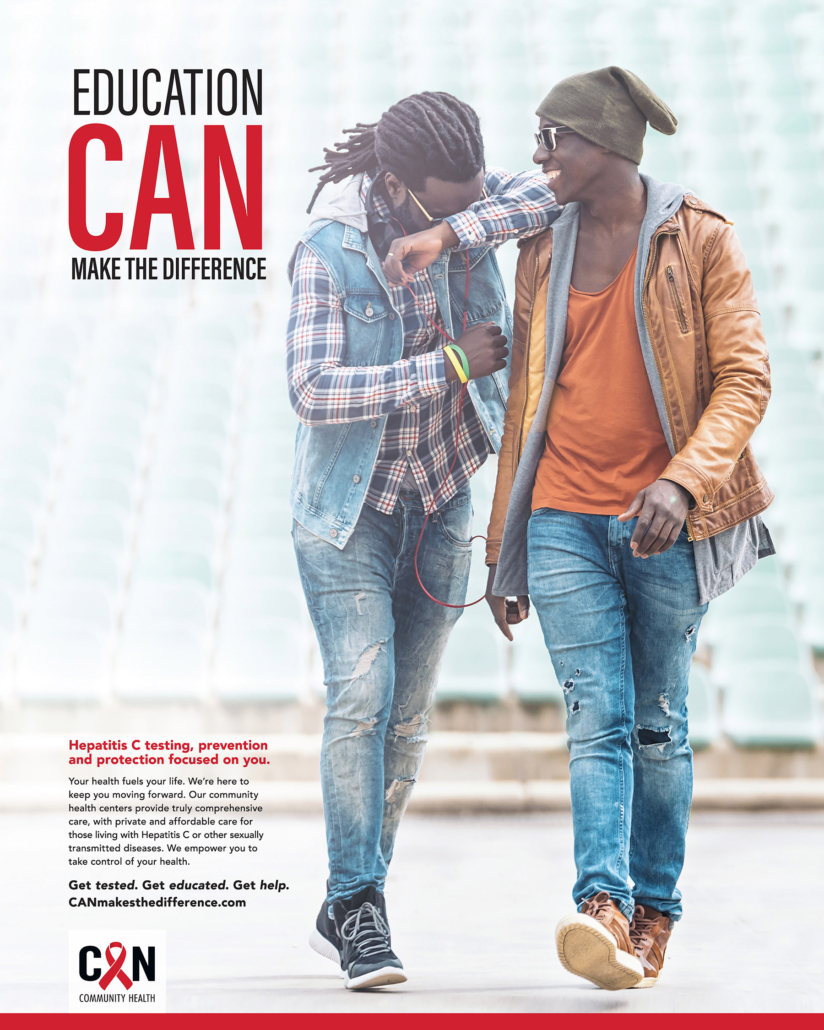
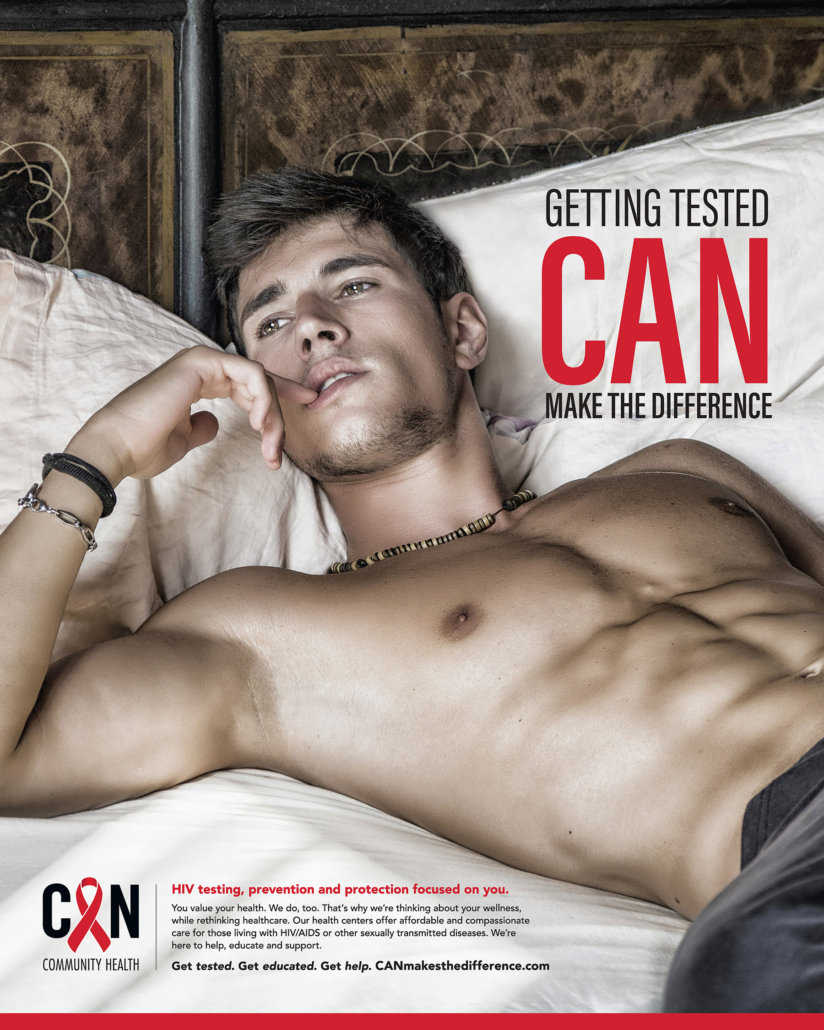
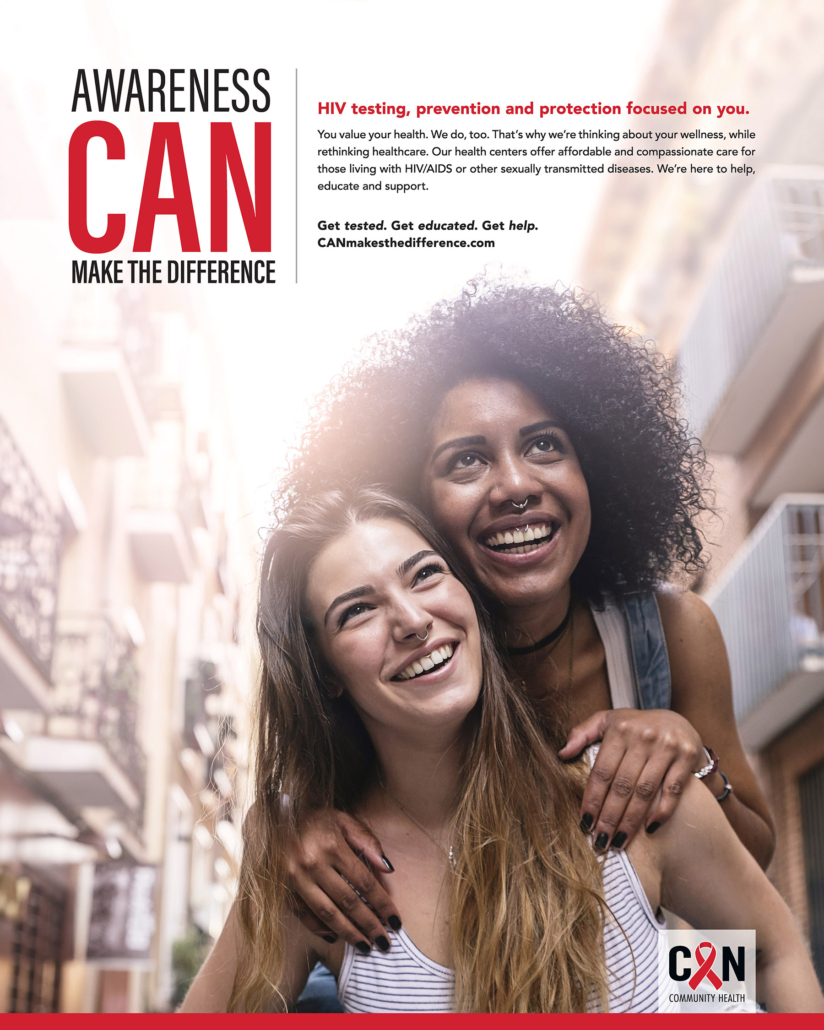

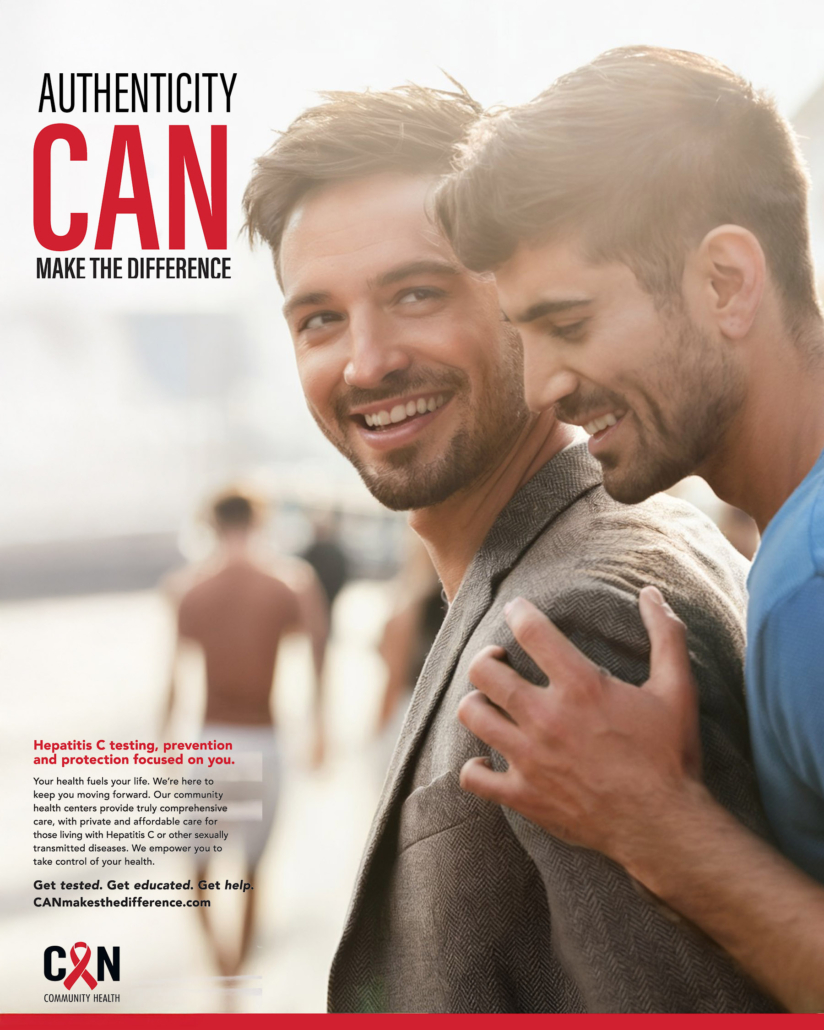

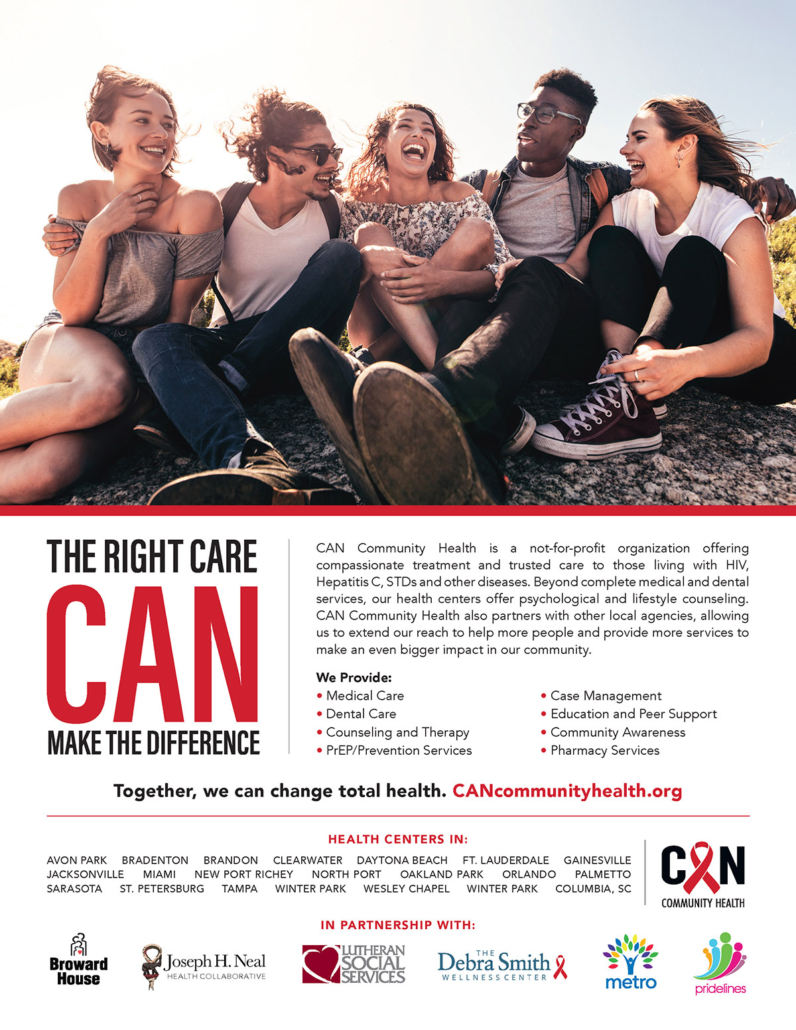
Omnichannel Execution & Micro-Targeting
I built a layered media strategy with my team, designed to meet people where they are, both physically and digitally. We started with programmatic geo-fencing, serving hyper-targeted ads to smartphone users within a one-mile radius of each CAN clinic. Those quick phone-check moments became quiet invitations to consider testing. We also tapped into dating apps like Grindr, Tinder, and Jack’d, placing tailored creative in the spaces where at-risk users connect. The message was clear and candid: take control of your health. Paired with real, authentic imagery, the tone felt personal, not preachy. We didn’t just show up in their feeds. We met them with empathy and relevance.
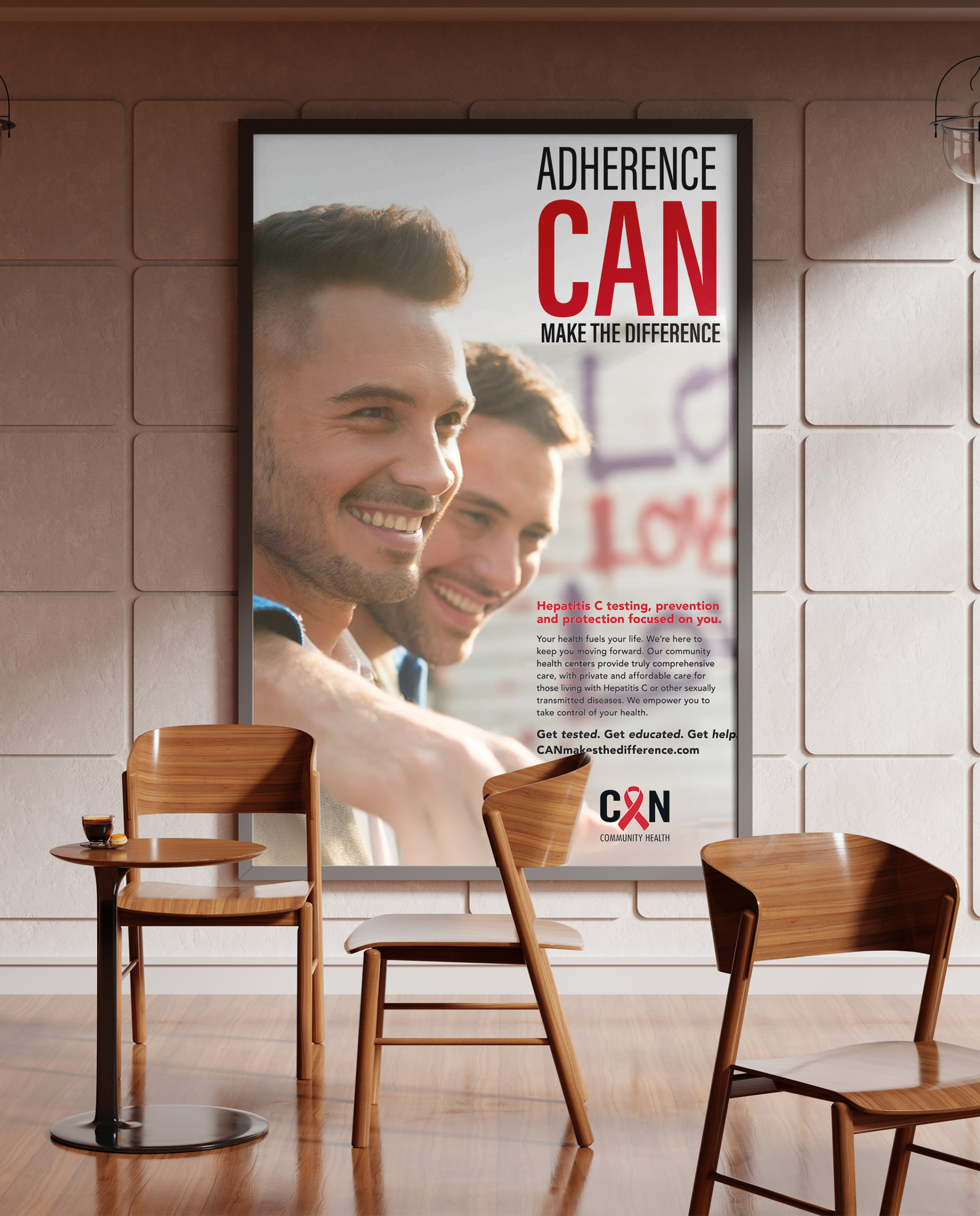
At the same time, we moved into the real world with out-of-home boards along high-traffic Sarasota corridors. Then we went further. We partnered with lifestyle spots like cafés, salons, and shopping centers, and built custom creative for each one. A reminder to get tested near the lunch counter. A discreet PrEP message on a salon restroom mirror. We worked directly with venue owners to make sure the placements felt organic, not disruptive. The goal stayed the same: show up in the right context, with the right message, and earn trust.
To stay smart with budget, we ran a month-on, month-off schedule. When ads weren’t live, we kept legacy placements up to capture bonus impressions and hold our space. We tracked performance in real time and shifted dollars toward the best-performing channels as the campaign evolved. The result was a strategy that stayed visible, stayed flexible, and kept CAN’s message top of mind when it mattered most.

Impact & Community Empowerment
The results spoke for themselves. Foot traffic to clinics jumped. PrEP inquiries went up. And social chatter around CAN shifted from quiet hesitation to open conversations about health and prevention. In post-campaign surveys, more than 80 percent of respondents said the creative made them feel welcomed, not judged. That’s more than a metric. That’s stigma reduction in action.
As Creative Director and a behavior-change strategist, I’m proud this work didn’t just generate results. It shifted how people think. It helped communities see testing as a step toward strength, not shame.


Creative Credit Notice: All featured work was created by Christopher Coppola during his tenure at Evok Advertising. Full rights remain with Evok Advertising and their respective clients. This site serves solely as a personal showcase of professional contributions.